
In a world that runs on information, good choices start with good data. The ability to collect, understand, and act on field measurements helps organizations plan better, spend wisely, and avoid mistakes. For teams that manage physical infrastructure like utility poles or telecom networks, knowing why data collection is important can mean the difference between a project that stays on budget and one full of costly surprises.
At D8Averse, we see data as a way to tell the story of what is really happening in the field. When measurements are captured accurately before work begins, leaders can move ahead with confidence. They can put resources right where they are needed, and they can stop small problems from turning into big ones.
Data collection connects what you see on site with the plans that guide your project. It turns real world details like pole height, attachment points, and ground clearances into clear, usable information. Every accurate measurement you take feeds into smarter planning, safer builds, and lower costs.
If field data is missing or wrong, decisions about maintenance, upgrades, or expansion become guesses. Experts like Savanta note that the main goal of data collection is to produce high quality information that leads to better decisions and new ideas. For infrastructure work, this means you can remove guesswork, cut down on rework, and be sure that every dollar you spend is based on facts.
Infrastructure projects succeed when you know exactly what you are working with. Before upgrading a network or adding new equipment, you need accurate records of what already exists. Pole conditions, load ratings, and attachment clearances are not just data points. They are keys to staying on time and on budget.
When you collect data the right way, you can:
This is where data collection emphasizes its importance in real life: projects that run smoothly, money spent where it counts, and rollouts that finish without expensive delays.
Smart choices come from reliable field information. If your measurements are off, even a well designed project can run into trouble. But when data is collected carefully, using tools that make sure every reading is consistent, you get a clear view of your assets and your risks.
A telecom company checking pole data can spot wear patterns and plan maintenance before things break. A utility expanding service into a new area can plan new lines based on real clearances, not outdated drawings. In both cases, high quality data replaces doubt with direction. It turns what you see in the field into a real advantage.
Growth runs on accuracy. If your field data is not right, it wastes time, drains budgets, and pushes timelines out. But data you can trust helps you invest wisely and work more efficiently.
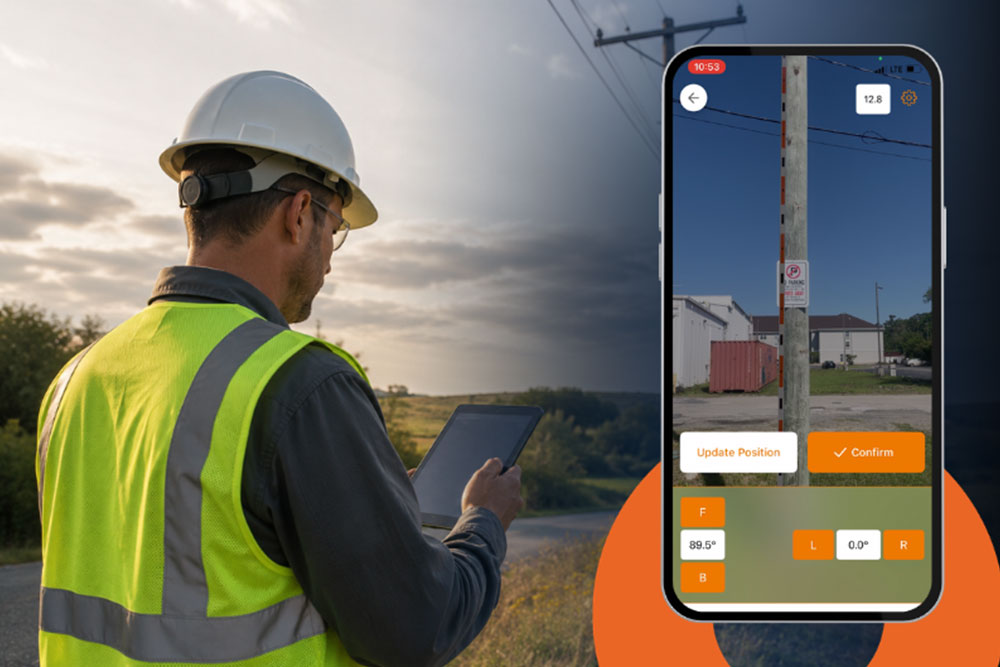
In early 2025, a third party tested our D8Acapture mobile LiDAR app. The study showed the measurements were more than 99% accurate on average, and their consistency varied by less than 1% across many kinds of environments. That kind of reliability means planners can trust the measurements, skip extra trips to the field, and go straight to engineering and construction.
When you build your plans on data that has been checked and proven accurate, you spend smarter and make fewer expensive mistakes. Over time, that adds up. You lower the total cost of owning and running your infrastructure while growing in a way you can repeat and rely on.
Doing the job properly means more than just being accurate. It also means being open about how data is gathered, stored, and used. For infrastructure work, this means capturing only the information you need, keeping it secure, and using it only for the project it was meant for.
It also means staying objective. If your measurement methods are not the same every time, or if the data is collected with a certain bias, your plans could go off track. At D8Averse, we make tools that enforce consistent workflows and take out the guesswork. That way, every dataset reflects the true state of the field. Data integrity is not just a number on a report. It is a promise to the people who count on it.
Raw data by itself does not do much. The real value comes when you turn those measurements into clear next steps. With good tools and clear processes, you can go straight from data capture to planning and building.
For example, when engineers study accurate pole data over time, they can tell when parts will wear out and schedule work before things break. Planners can model expansions using conditions they have verified, not just what they hope is there. The path from a simple measurement to a smarter plan is what drives speed, safety, and cost savings.
As the industry uses more automation and digital tools, the need for accurate field data will only grow. Future choices about infrastructure will depend on how quickly you can capture real conditions, check the data, and feed it into your planning tools.
Organizations that invest in strong field data systems now will be ready for change. They will be able to adapt faster, spend capital more wisely, and keep their networks performing over the long run. Instead of waiting for a failure, they will plan ahead, using data as the base for every upgrade, expansion, or repair.
D8Acapture is built for this exact challenge. It gives field professionals a way to capture accurate pole and structure data quickly and with confidence. The app simplifies the work while keeping precision and integrity at the center, so your team can focus on making smart, cost aware infrastructure choices.
Data becomes a real advantage when you capture it accurately and act on it fast. For any team that looks after physical infrastructure, the reason why data collection is important shows up in projects delivered on budget, assets that last longer thanks to well timed maintenance, and network expansions that go off without a hitch.
D8Acapture puts this power into the hands of your field crews. It helps them gather dependable measurements, keep the field and office connected, and make confident choices before a shovel ever hits the ground. With D8Averse behind it, D8Acapture turns what you see in the field into digital intelligence that fuels smarter infrastructure planning and building.
When the right data is captured with D8Acapture, you do not just know your infrastructure better. You build it smarter, and you do it at a lower cost.